


Marble represents ultimate luxury. Builders and architects have used this stunning natural stone for centuries. It brings timeless elegance into modern homes and commercial spaces. However maintaining this beauty requires specific knowledge. Many people do not know how to clean marble correctly. They unknowingly use harsh products. Incorrect cleaning methods ruin expensive surfaces permanently.
This comprehensive guide provides expert advice on marble care. You will discover exactly how to care for marble floors and countertops. We cover daily maintenance routines and deep cleaning strategies. Learning proper techniques protects your valuable investment. Beautiful stone elevates your entire living environment. Clean surfaces reflect light better and make rooms feel spacious.
Why Marble Needs Special Care
Understanding stone chemistry helps you clean better. Marble is primarily composed of calcium carbonate. This natural composition makes it highly vulnerable to acids. The stone is inherently porous. Pores act like tiny sponges across your marble surface. They absorb liquids very quickly. Colored liquids cause deep stains within minutes.
Chemical reactions occur when acids touch calcium carbonate. This reaction physically dissolves the top layer. Experts call this damage etching. Etching leaves permanent dull white marks. These marks look like stubborn water stains. Acid damage requires expensive professional polishing to fix.
Scratches present another major threat. Dust particles contain quartz and silica. These microscopic minerals are harder than marble. Walking on dirty floors grinds these particles into the stone. This action causes thousands of tiny scratches. Over time polished marble loses its brilliant shine. Proper marble maintenance prevents both etching and scratching. Regular care keeps your surfaces looking brand new for decades.
How to Clean Marble Step by Step
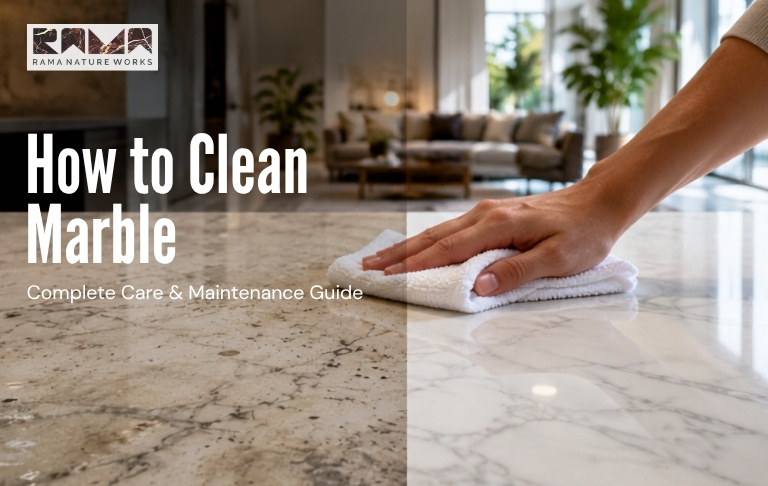
Knowing how to clean marble floor areas properly saves time and money. Follow these detailed steps for perfect results every single time.
Step 1: Remove Dust Completely
Always begin by dry dusting. Use soft microfiber dust mops for floors. Use dry microfiber cloths for countertops. Never use traditional stiff brooms. Stiff bristles scratch soft natural stone easily. Dusting removes abrasive dirt particles safely. Perform this step daily in high traffic areas.
Step 2: Prepare Warm Cleaning Solution
Hot water cuts through grease effectively. Fill your cleaning bucket with warm water. Add just two drops of pH-neutral soap. You must avoid generic floor cleaners entirely. Standard detergents contain harsh chemicals. Choose only mild stone-safe cleaner products. Less soap is always better. Too much soap leaves sticky residue.
Step 3: Wash Surfaces Gently
Submerge your mop or soft cloth into the warm water. Wring it out extremely well. The mop should be barely damp. Dripping wet mops push dirty water into grout lines. Wipe your marble flooring using smooth overlapping strokes. Let the warm water dissolve dirt naturally. Never scrub surfaces vigorously.
Step 4: Rinse Away Soap Residue
Many homeowners skip this vital step. Leftover soap creates a cloudy film over time. This film hides the natural shine of polished marble. Empty your bucket immediately after washing. Refill it with pure clean water. Mop the entire area again. This final rinse removes all remaining dirt and soap completely.
Step 5: Dry Surfaces Immediately
Natural stone must never air dry. Evaporating water leaves mineral deposits behind. These deposits create hard water stains. Grab clean dry towels immediately after rinsing. Buff the area completely dry. Gentle buffing restores maximum shine. Dry floors also prevent dangerous slip hazards.
How to Remove Stains from Marble
Quick action prevents permanent damage. Spills happen despite our best efforts. Knowing how to remove stains from marble is crucial for homeowners. Never rub fresh spills. Rubbing spreads liquid deeper into pores. Always blot spills gently using paper towels. Different stains require unique treatments. Review this detailed stain removal guide.
| Stain Type | Safe Cleaning Method |
| Coffee Stains | Mix baking soda and water to form thick paste. Apply this poultice over the stain. Cover with plastic wrap for 24 hours. Wipe away gently. |
| Oil Stains | Sprinkle cornstarch over the oil spill. Let it sit for several hours to absorb oil. Clean the area with pH-neutral soap and warm water. |
| Food Stains | Wipe immediately with damp soft cloth. For stubborn marks use mild stone-safe cleaner and soft sponge. Never scrub hard. |
| Rust Stains | Rust is very difficult to remove safely. Use specialized commercial rust remover made exclusively for marble. Follow manufacturer instructions strictly. |
| Water Stains | Buff the area lightly with dry fine steel wool (grade 0000). Alternatively use professional marble polishing powder to restore shine. |
Common Mistakes That Can Damage Marble
Internet cleaning hacks often destroy luxury materials. Social media videos promote dangerous DIY solutions. You must protect your home by avoiding common errors.
Using Acidic Natural Cleaners
Vinegar cleans glass perfectly but destroys stone instantly. Lemon juice burns calcium carbonate immediately. These natural acids cause severe permanent etching. Never let any acidic liquid touch your sealed marble.
Applying Harsh Chemicals
Bleach damages the internal structure of natural stone. Ammonia eats away protective sealers very fast. Generic bathroom foams contain abrasive agents. These chemicals ruin expensive marble countertops forever. Always stick to pure water and pH-neutral soap.
Scrubbing with Abrasive Tools
Kitchen sponges have rough green scrubbing pads. These pads cause severe micro-abrasions. Steel wool destroys polished finishes instantly. Hard plastic brushes scratch floor tiles. Always choose soft microfiber materials for cleaning marble safely.
Allowing Water to Pool
Excess moisture damages porous materials. Leaving wet bath mats on bathroom floors causes yellowing. Over-wetting floors during mopping pushes water deep inside the stone. Always control moisture levels carefully. Dry surfaces proactively.
Marble Care and Maintenance Tips
Good habits prevent major problems. A structured marble maintenance routine keeps your home beautiful. Consistency eliminates the need for harsh deep cleaning.
Daily Maintenance
Focus on immediate prevention. Wipe away food spills instantly. Dry bathroom vanities after morning routines. Use dry dust mops on entryways. Keep kitchen counters free from acidic food debris.
Weekly Maintenance
Perform thorough gentle washing. Mop all stone floors using warm water and mild soap. Rinse thoroughly. Wipe down all bathroom walls. Dry everything completely. Check grout lines for early signs of dirt buildup.
Monthly Maintenance
Inspect high use areas carefully. Look for dull spots on kitchen islands. Treat any hidden stains using safe poultice methods. Clean corners where dust collects heavily. Reorganize countertop items to clean underneath them.
Yearly Maintenance
Test your stone sealants properly. Place a few drops of water on your most used surfaces. Watch the water closely. Water should form tight beads on the surface. If water darkens the stone immediately your seal has failed. Hire professionals for resealing or polishing.
Marble Care Tips for Different Areas
Different rooms expose stone to different threats. Tailor your cleaning approach based on location.
Kitchen Marble
Kitchens present extreme risks. Cooking oils splatter easily. Wine and coffee spill frequently. Always use large thick cutting boards. Place silicone mats under coffee machines. Wipe oil splatters immediately before they dry. Keep hot heavy pots off raw stone surfaces.
Marble Flooring
Dirt acts like sandpaper under shoes. Place high quality rugs at all exterior doors. Ask guests to remove shoes upon entering. Put thick felt pads under heavy dining chairs. Vacuum cleaners often have hard plastic wheels. These wheels scratch floors deeply. Stick to dry soft mops instead.
Bathroom Marble
Bathrooms combine high heat with chemical products. Shampoos contain harsh sulfates. Perfumes contain strong alcohol. Rinse shower walls with pure water after bathing. Use rubber squeegees to dry glass and stone quickly. Store cosmetics on decorative trays instead of directly on counters. Ensure good ventilation to prevent moisture damage.
Marble Countertops
Living spaces require preventative care. Place elegant coasters under every beverage glass. Cold drinks create condensation rings. Hot mugs cause thermal shock. Never sit or stand on stone counters. Protect surfaces during parties or gatherings.
Do’s and Don’ts of Marble Cleaning
Quick reference is helpful for busy homeowners. Here is a clear comparison table outlining best practices.
| Do’s | Don’ts |
| Wipe spills immediately after they happen. | Let water dry naturally on the surface. |
| Use pH-neutral soap and warm water. | Use vinegar or lemon juice for cleaning. |
| Dry surfaces with soft microfiber cloth. | Scrub with rough sponges or steel wool. |
| Use coasters under hot or cold drinks. | Place heavy objects without felt pads. |
| Apply protective sealing yearly. | Use generic bathroom or tile cleaners. |
| Dust mop floors frequently. | Drag heavy furniture across marble flooring. |
Conclusion
Proper marble care is simple once you understand the basics. Natural stone reacts badly to harsh chemicals and excessive moisture. Regular gentle cleaning preserves its luxurious appearance perfectly. Always remember to wipe spills quickly and use pH-neutral soap. Using soft microfiber cloth keeps surfaces completely scratch-free. Following this complete guide ensures your marble stays pristine for decades.
Finding high-quality stone is just as important as maintaining it. Rama Nature Works stands as a trusted manufacturer and supplier of premium Indian and imported marble. We bring world-class natural stone directly to your unique spaces. Choosing premium marble from a reliable supplier guarantees lasting elegance for your home or commercial projects.
Proper marble care keeps every surface looking beautiful, while premium-quality marble ensures lasting performance. Rama Nature Works offers an exclusive collection of Indian and Imported Marble, carefully selected for homes, villas, hotels, and commercial projects. Explore our marble collection and choose marble that combines timeless elegance with long-term durability.
Frequently Asked Questions
1. What is the best way to clean marble?
The safest way to clean marble is with warm water, a soft microfiber cloth, and a pH-neutral soap. Avoid acidic or abrasive cleaners because they can damage the marble surface and reduce its natural shine. This aligns with the blog’s recommended cleaning process.
2. Can I use vinegar to clean marble?
No. Vinegar is acidic and can cause permanent etching on marble. Always use a pH-neutral soap or a mild stone-safe cleaner to protect the surface and keep it looking beautiful.
3. How often should marble be cleaned?
Dust marble regularly and wipe spills as soon as they happen. Clean the surface with warm water and pH-neutral soap once a week to maintain its shine and prevent dirt buildup.
4. How do you remove stains from marble?
Blot spills immediately instead of rubbing them. The right stain removal method depends on the stain type, but acting quickly helps prevent permanent marks and keeps marble in good condition.
5. How can I keep marble shiny for years?
Clean marble with gentle products, dry the surface after cleaning, wipe spills quickly, and check the seal regularly. Simple maintenance habits help preserve its natural shine and extend its lifespan.