
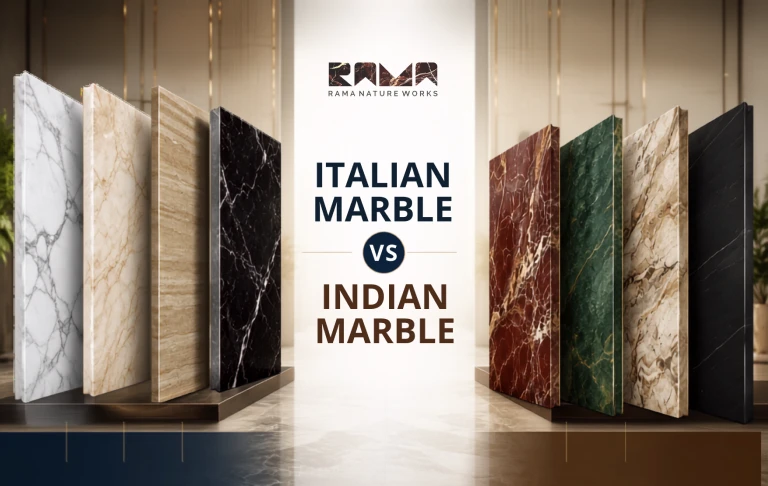

Choosing the right stone for your home or office is a big decision. Many buyers spend a lot of time comparing italian marble vs indian marble before they buy materials for their floors or walls. Both options are beautiful but they have different features, costs and maintenance needs. This guide will help you understand everything you need to know about these two popular building materials. You will learn about their origins, strength, colors and prices so you can pick the best stone for your next project.
Quick Comparison Table
Here is a simple look at how these two materials compare across important features.
| Feature | Italian Marble | Indian Marble |
| Origin | Mainly from Italy | From states like Rajasthan and Gujarat |
| Appearance | Very shiny with clear natural lines | Natural look with many different patterns |
| Colours | Mostly white, beige and light grey | Many colors like green, black, pink and white |
| Veining | Large beautiful lines | Small spots or block patterns |
| Finish | Very shiny and smooth | Medium shine, matte or rough surface |
| Hardness | Very soft and easily scratched | Very hard and strong |
| Thickness | Usually 16mm to 20mm | Usually 18mm to 30mm |
| Durability | Medium durability | Very high durability |
| Maintenance | Needs a lot of care and special polish | Easy to clean and maintain |
| Price | Very expensive | Budget friendly |
| Installation | Needs expert workers and special cement | Standard fitting process |
| Availability | Must be imported | Easy to find locally |
| Best Applications | Indoor floors and fancy bathrooms | Indoor floors, outdoor spaces and kitchens |
| Water Resistance | Low (needs a chemical sealer) | High (naturally blocks water well) |
| Lifespan | 15 to 20 years with good care | 30 plus years |
| Luxury Appeal | Looks very rich and high quality | Looks traditional and beautiful |
What is Italian Marble?
People often ask exactly what is italian marble when they start planning their home design. This stone comes directly from the large mountains of Northern Italy. It is famous all over the world for its bright white color and shiny surface. The stone has a special crystal structure that bounces light around a room. This makes small spaces look much bigger and brighter.
Because it is very soft, this stone needs extra care before it even reaches your house. Slabs usually have a plastic net and strong chemical glue on the back so they do not break during shipping. Even though it is delicate, many people love it. Five-star hotels, expensive clothing shops and big luxury houses use this stone to create beautiful floors and bathroom walls. It gives a very rich feel that is hard to match with any other material.
What is Indian Marble?
Indian marble is known for being very strong and easy to find. It comes mostly from deep quarries in Rajasthan, Gujarat and Andhra Pradesh. This natural stone is much harder than the imported types. Because it is so hard, it does not need any plastic nets or chemical glues on the back to stay together during transport.
Builders love this stone because it can handle a lot of walking, moving furniture and heavy items without breaking. It is perfect for large commercial buildings, house floors and even outdoor walls where the weather changes often. You can find it in many different colors to match your design ideas. It is also cheaper to buy because it is available right here in the country and does not have high import taxes.
Italian Marble vs Indian Marble
Looking closely at italian marble vs indian marble helps you see which one fits your exact budget and lifestyle.
The first big difference is how they look. Imported stones give a very rich look with their bright white backgrounds and big grey or gold lines. They take a very high polish that looks almost like glass. Domestic stones offer more natural and earthy colors like deep green, dark black and bright pink. They have a softer shine that looks warm and inviting.
Strength is another major difference. Domestic stone is very dense and hard. It does not scratch easily and can handle heavy furniture. Imported stone is soft. If you drop a heavy cooking pan in the kitchen, an imported stone might crack or chip.
Maintenance is also very different. Imported slabs absorb liquids very fast. Spilled wine, lemon juice or coffee can leave permanent spots if you do not clean them right away. You must use special chemical sealers every few months to protect the surface. Domestic slabs naturally block liquids much better. You only need standard floor cleaners and normal water to keep them looking good.
Fitting the stone changes your total cost. Imported slabs need highly trained workers. Because the stone is often slightly see-through, workers must use expensive white cement. If they use normal grey cement, the floor might look dark. Domestic slabs are easy to cut and fit using regular grey cement. This makes the fitting process much cheaper and faster.
Types of Italian Marble
Knowing the different Types of Italian marble helps you choose a design that matches your space and style. Each marble has its own natural colour, veining and finish.
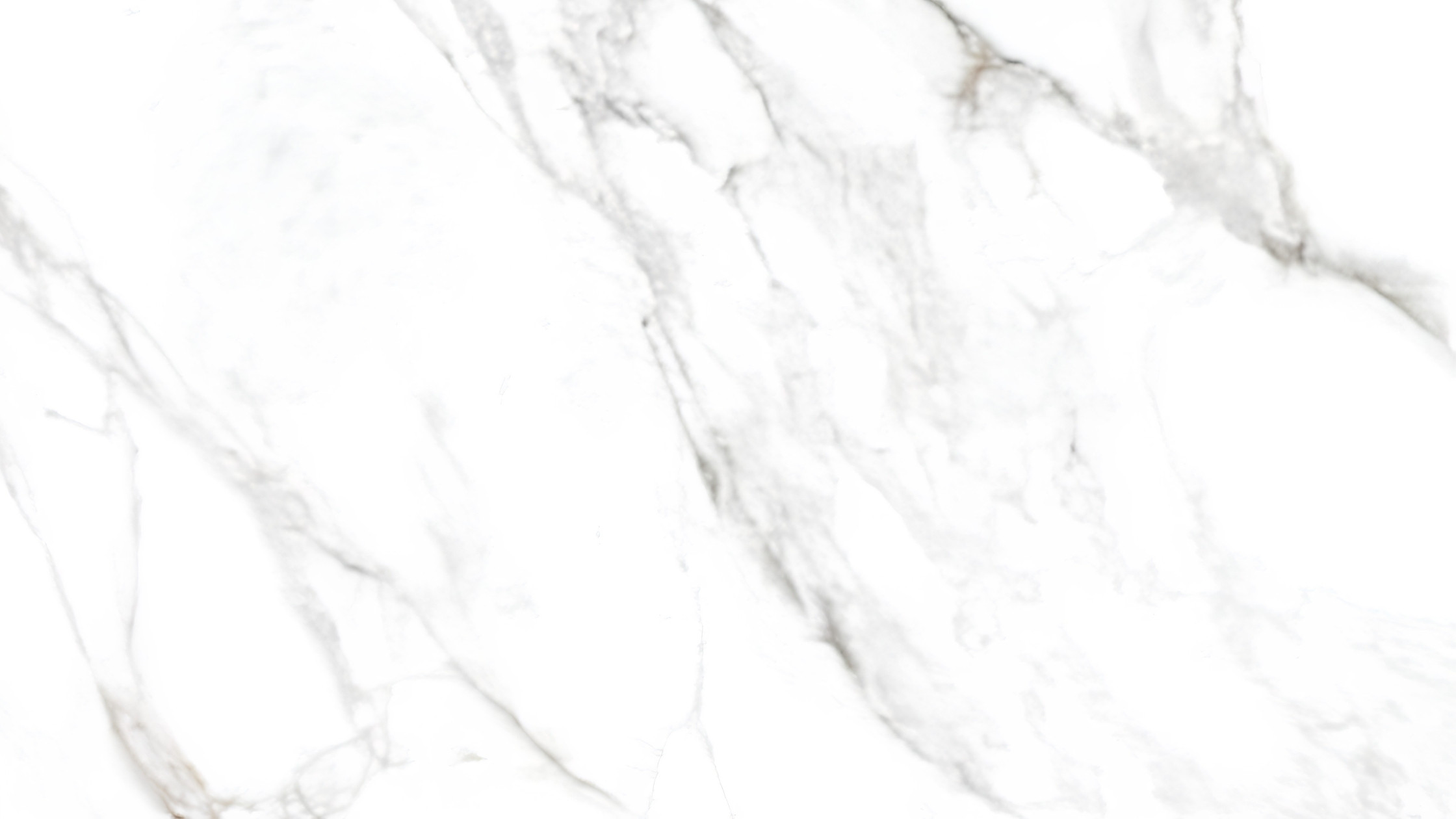
Carrara: A white or light grey marble with soft grey veins. It is one of the most popular Italian marbles for flooring and wall cladding.
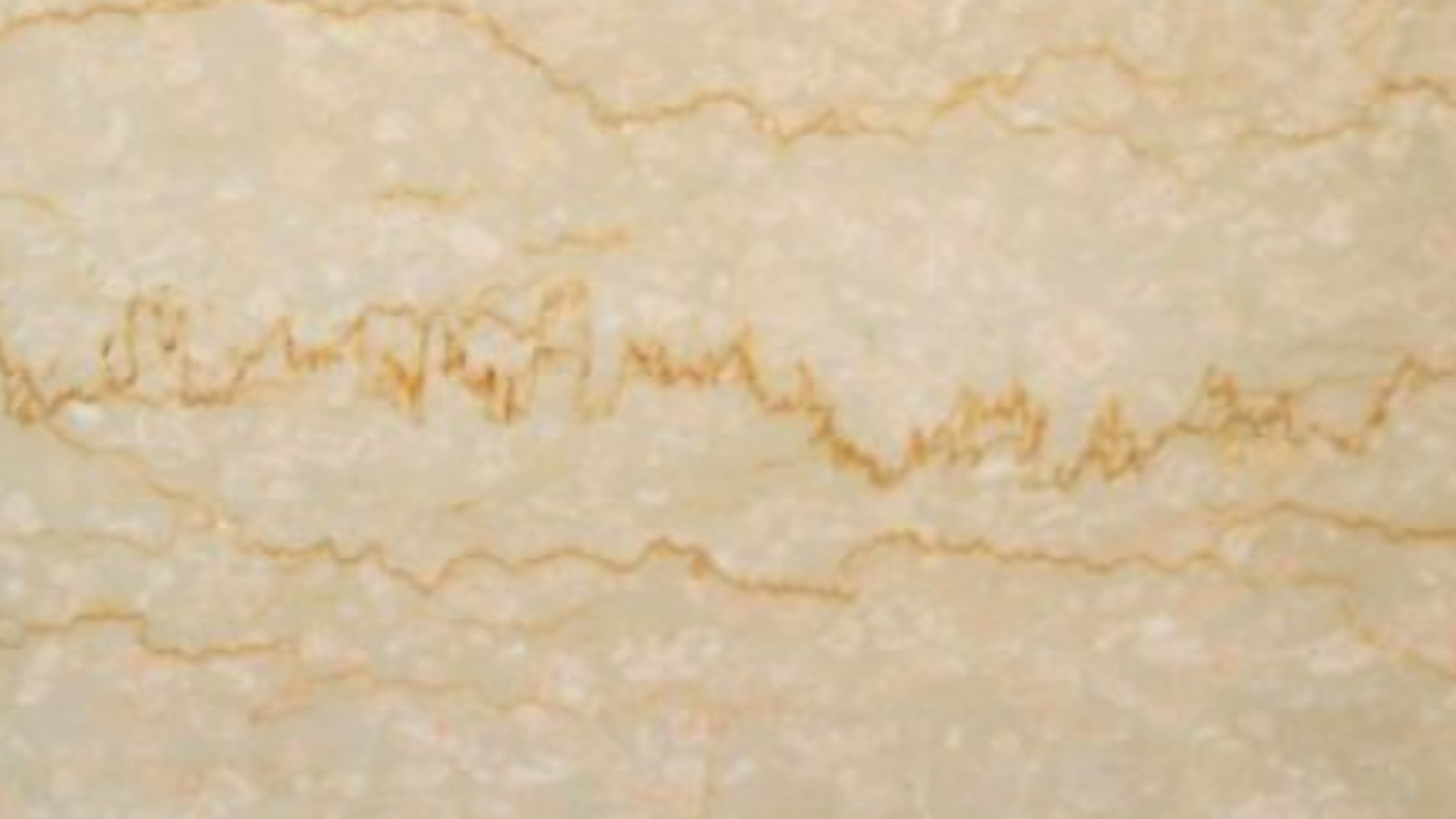
Botticino: A warm beige marble with light brown patterns that gives interiors a timeless look.
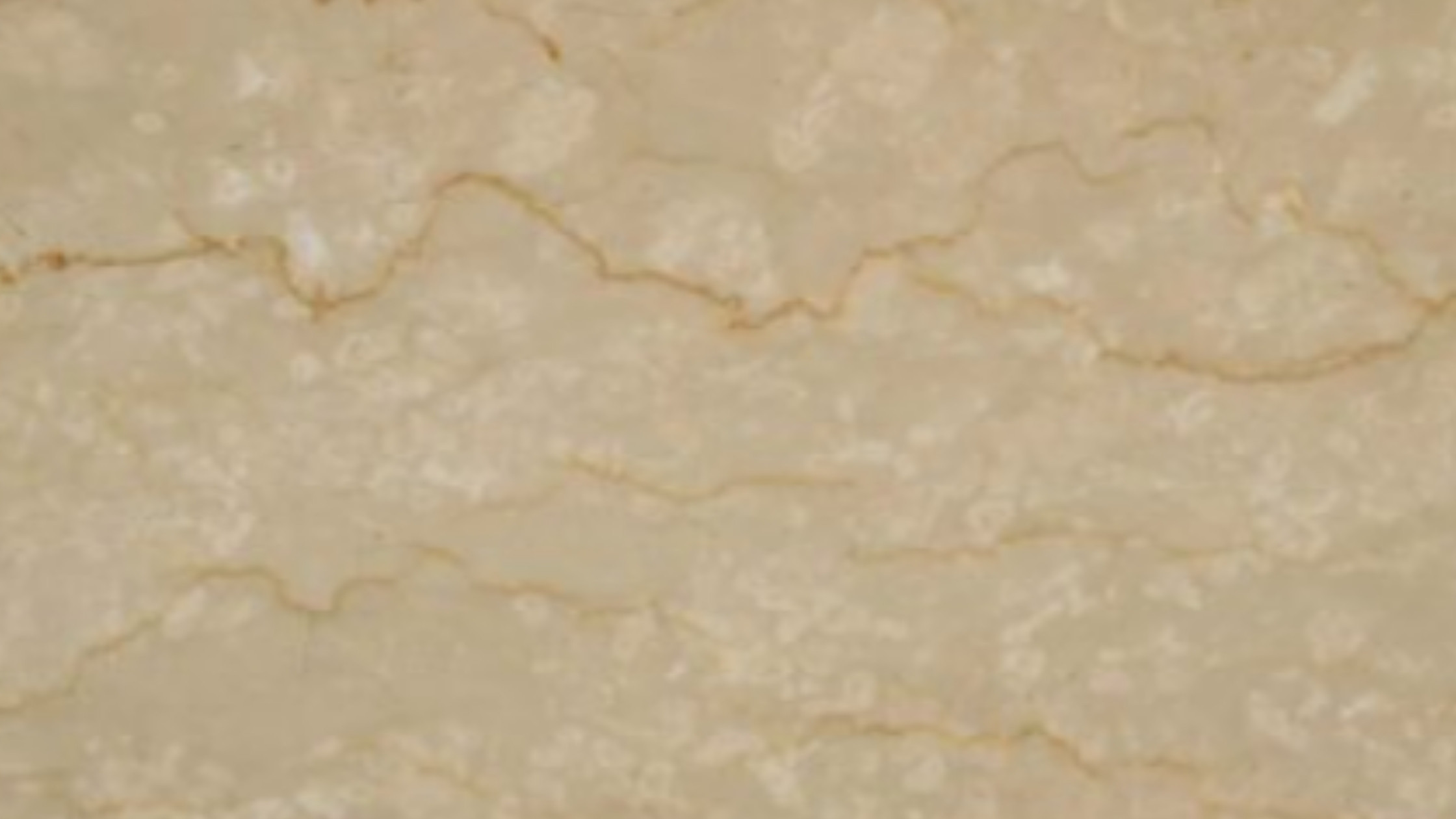
Botticino Classico: A premium Botticino variety known for its consistent colour and elegant appearance.
Dyna: A creamy beige marble with soft brown veins that works well in both modern and classic interiors.
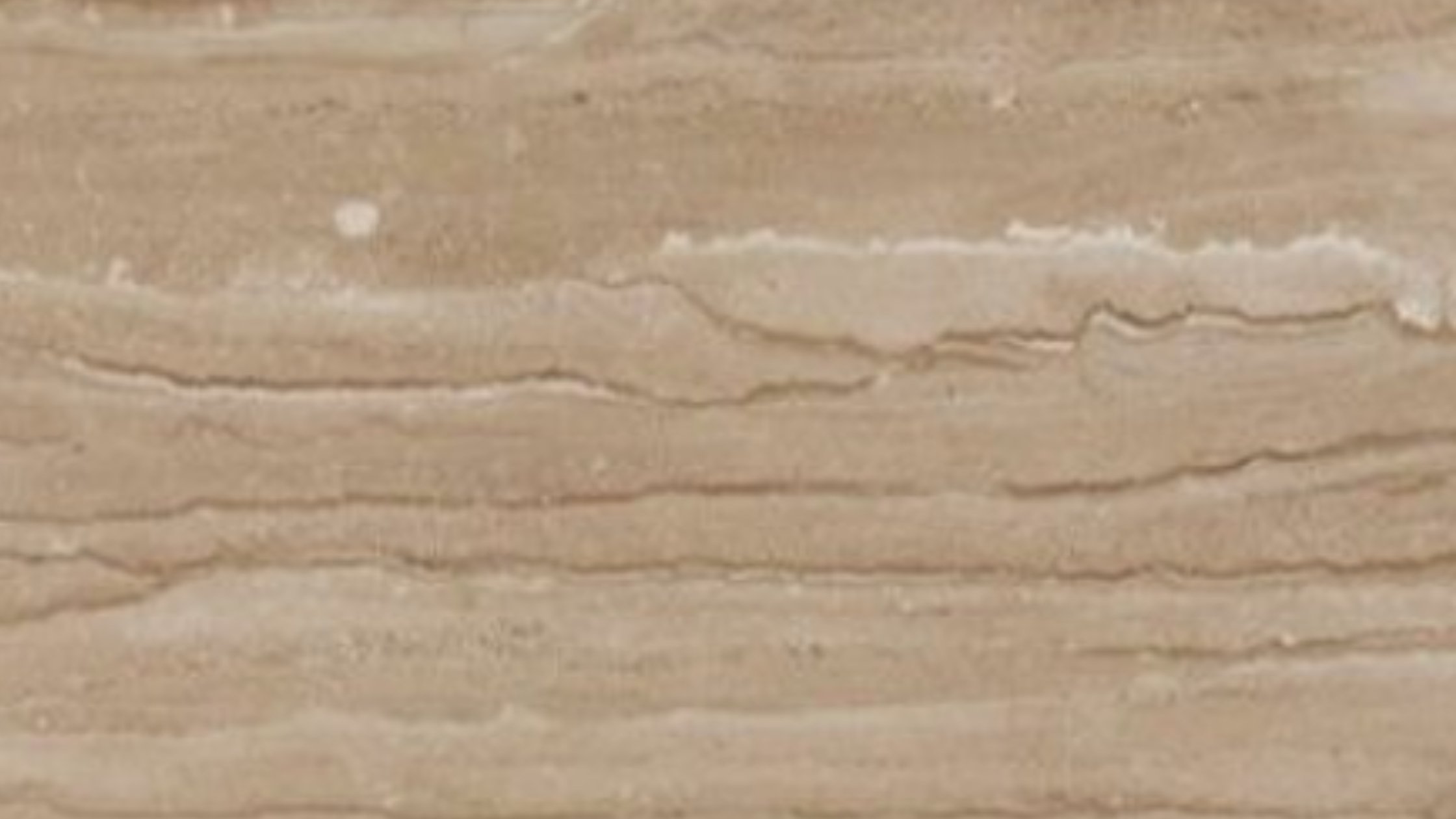
Bianco Dolomite: A bright white marble with subtle grey veins that creates a clean and luxurious finish.

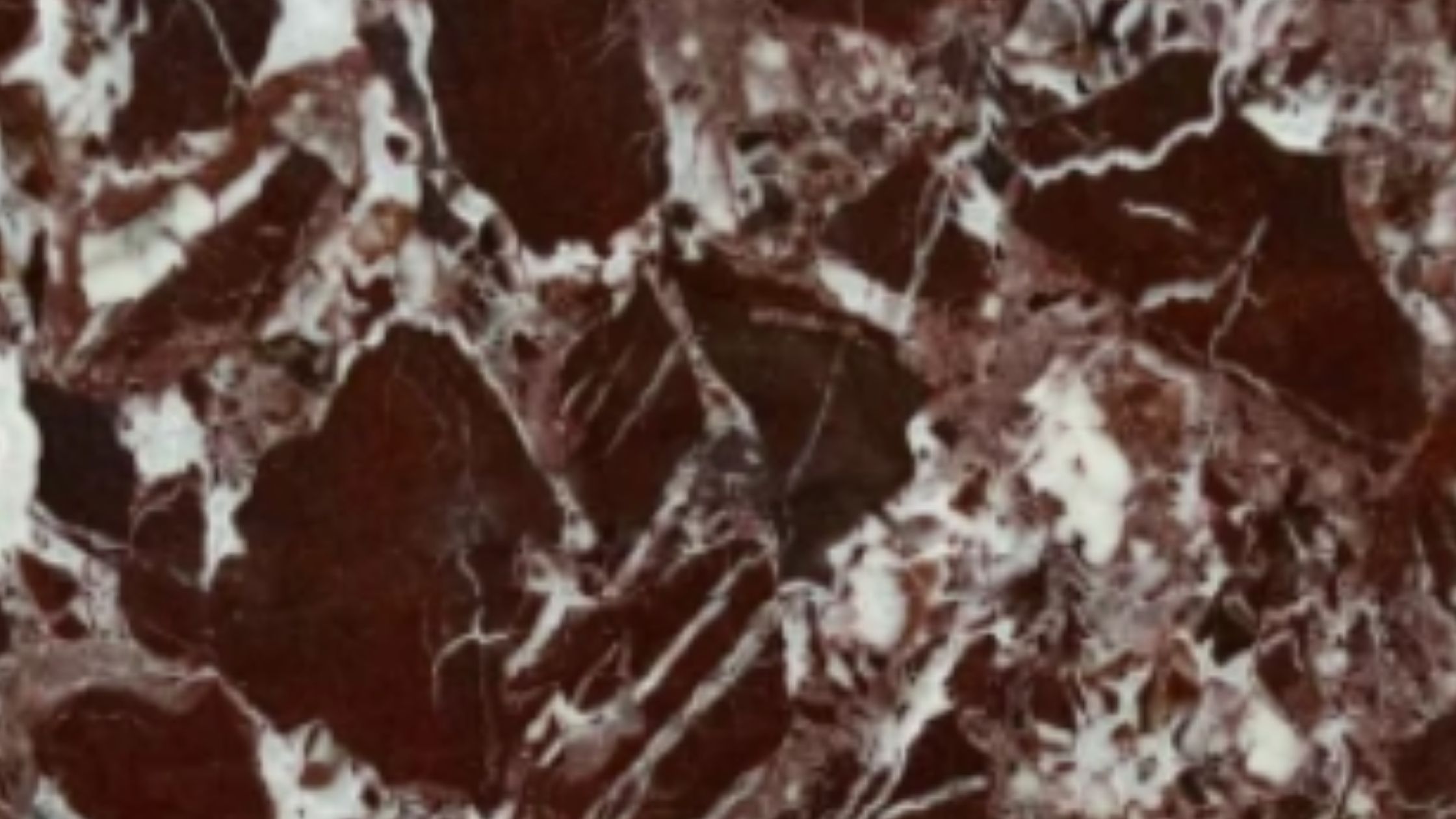
Rosso Levante: A rich dark brown marble with striking white veins that adds depth and character to any space.
Popular Italian marble names
Some of the most popular Italian marble names include Carrara, Botticino, Botticino Classico, Dyna, Bianco Dolomite and Rosso Levante.
Types of Indian Marble
There are many Types of Indian marble available for homes, hotels and commercial projects. Indian marble is known for its strength, natural beauty and wide range of colours.
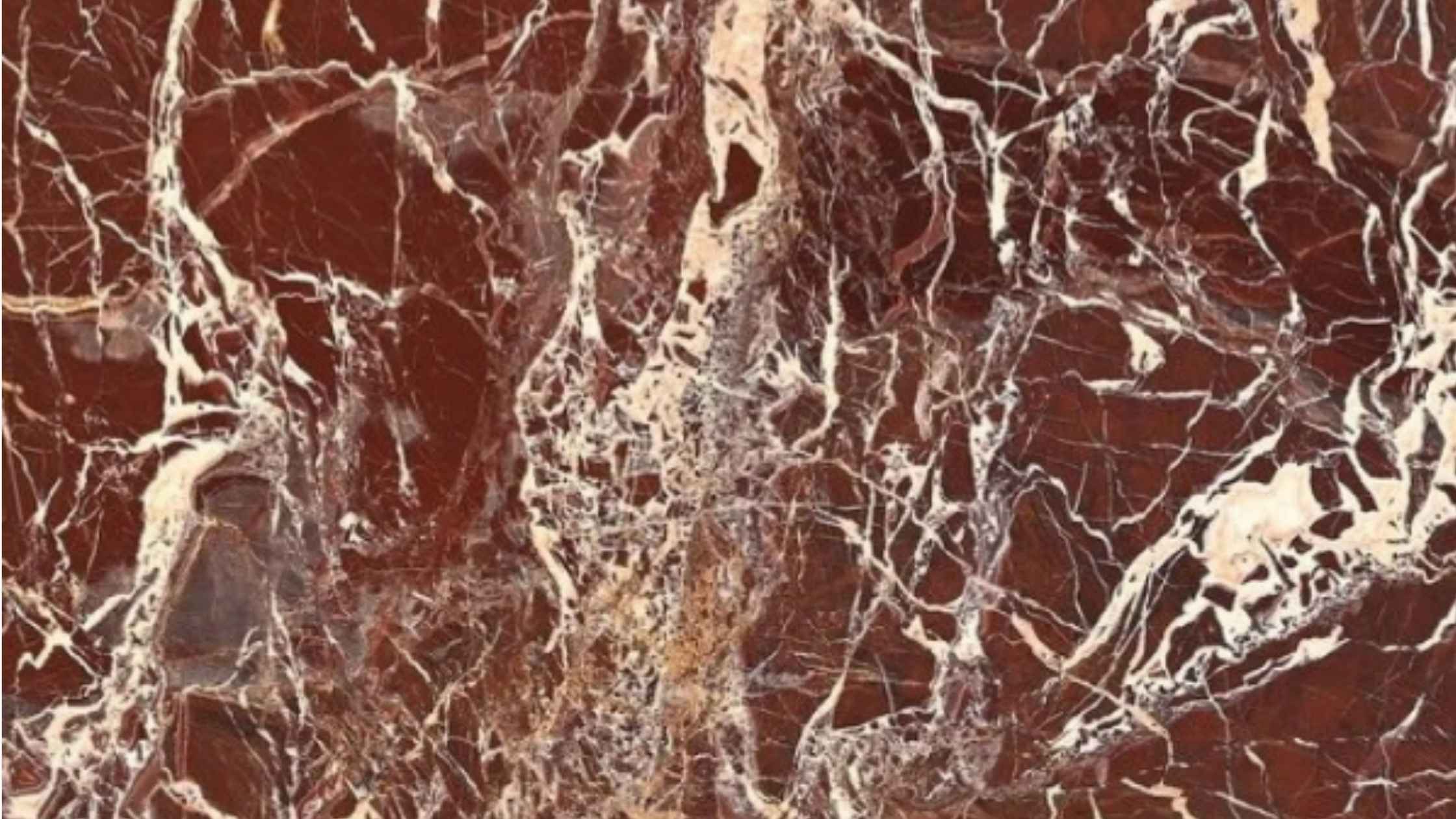
Cherry Gold Marble: A striking marble with rich red and golden patterns that creates a warm and luxurious look.
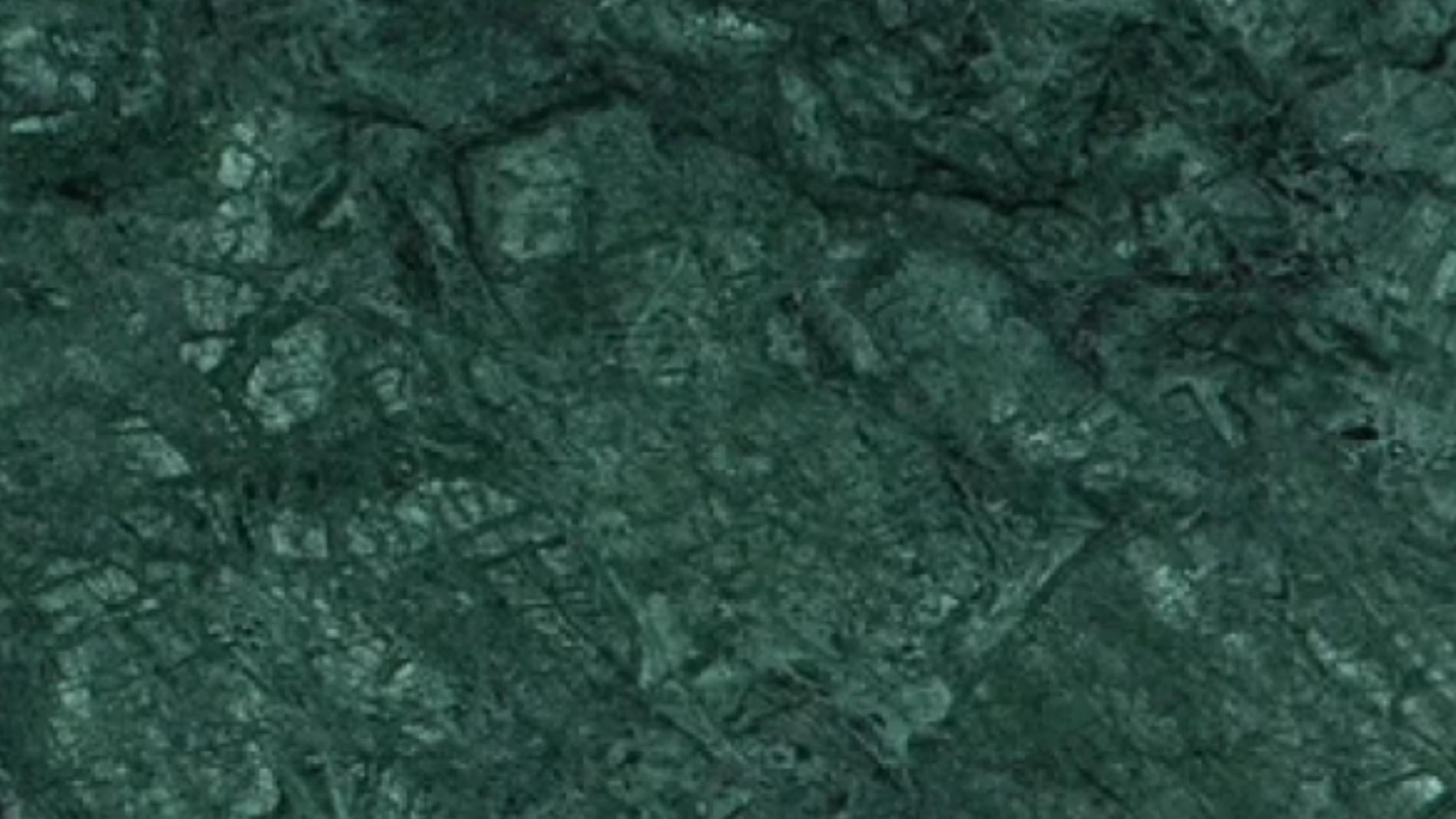
Green Marble: A dark green marble with natural textures, widely used for flooring, wall cladding and countertops.
Rainforest Green Marble: A unique green marble with branch-like veins that resemble natural tree patterns.
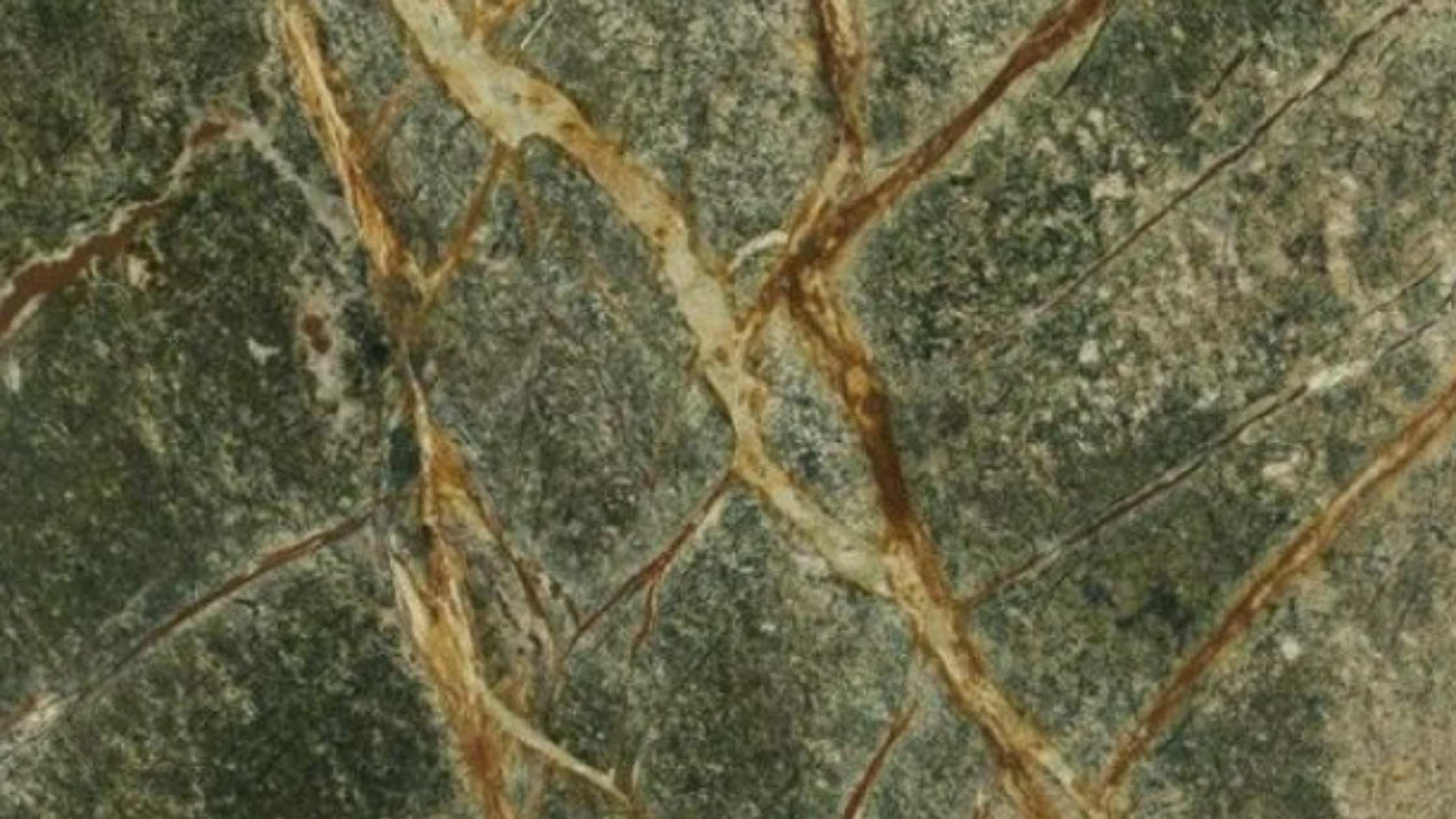
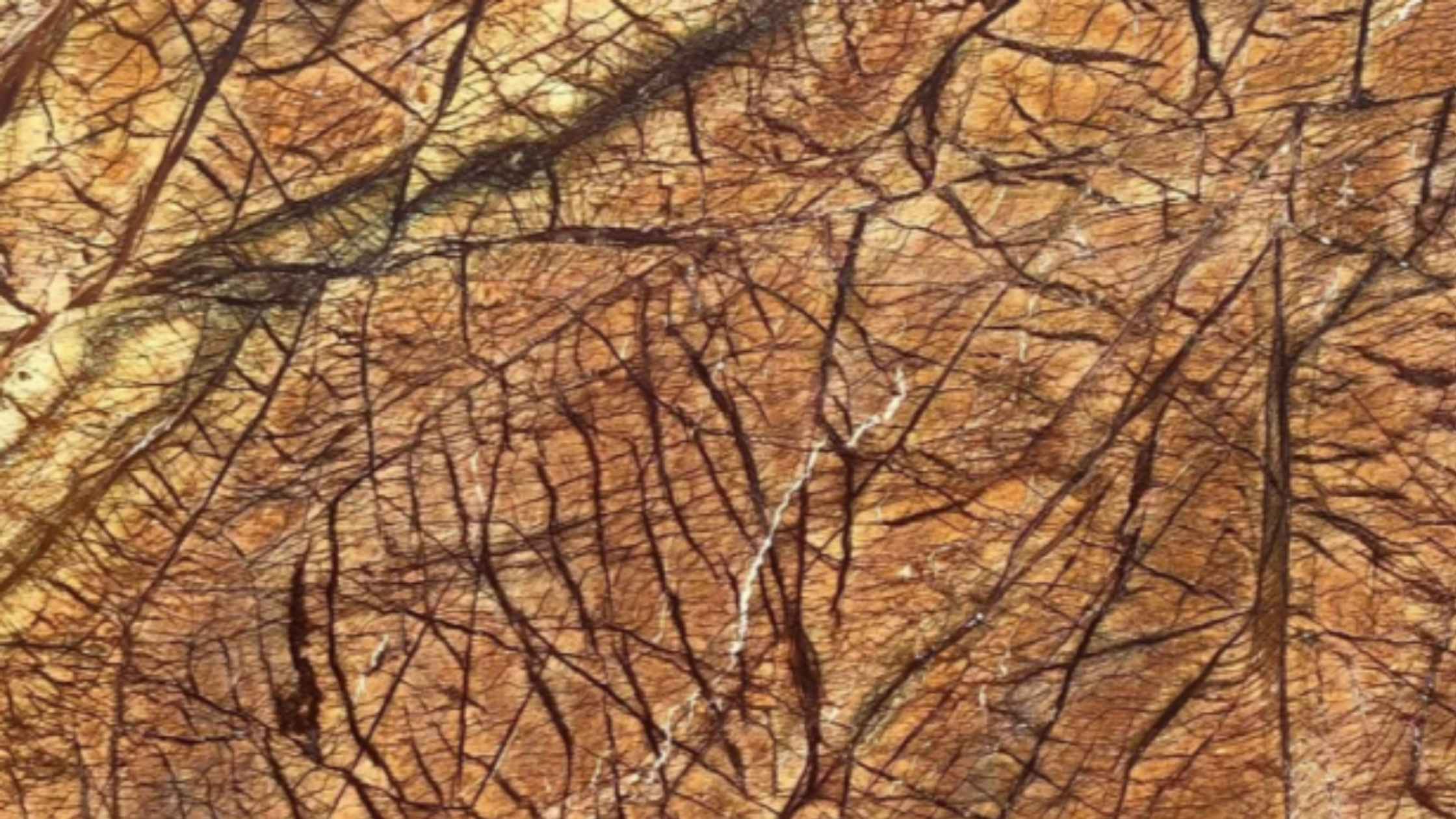
Rainforest Brown Marble: A brown marble with bold natural veining that adds a distinctive look to interiors.
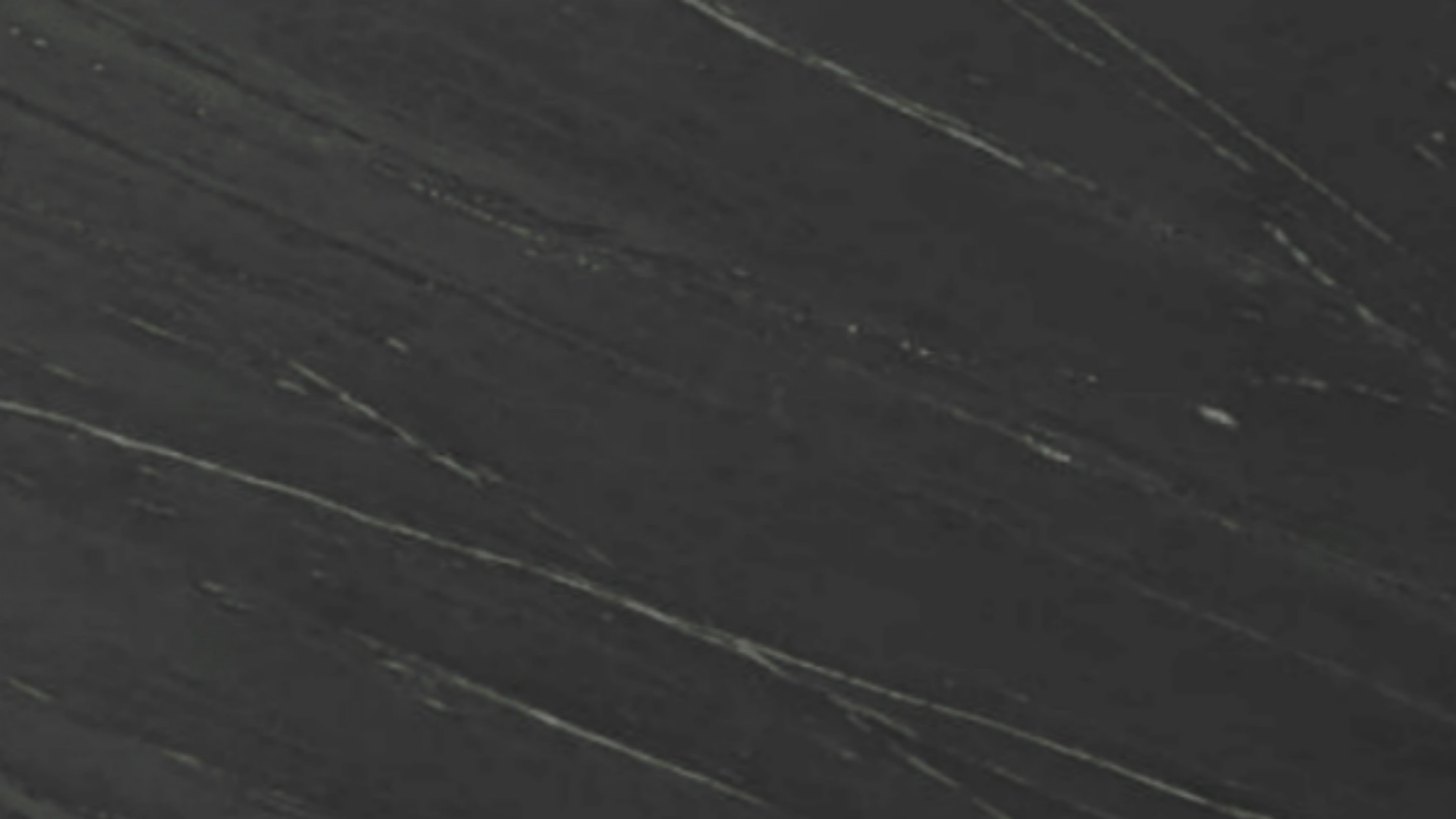
Marine Black Marble: A black marble with subtle natural lines that suits modern residential and commercial spaces.
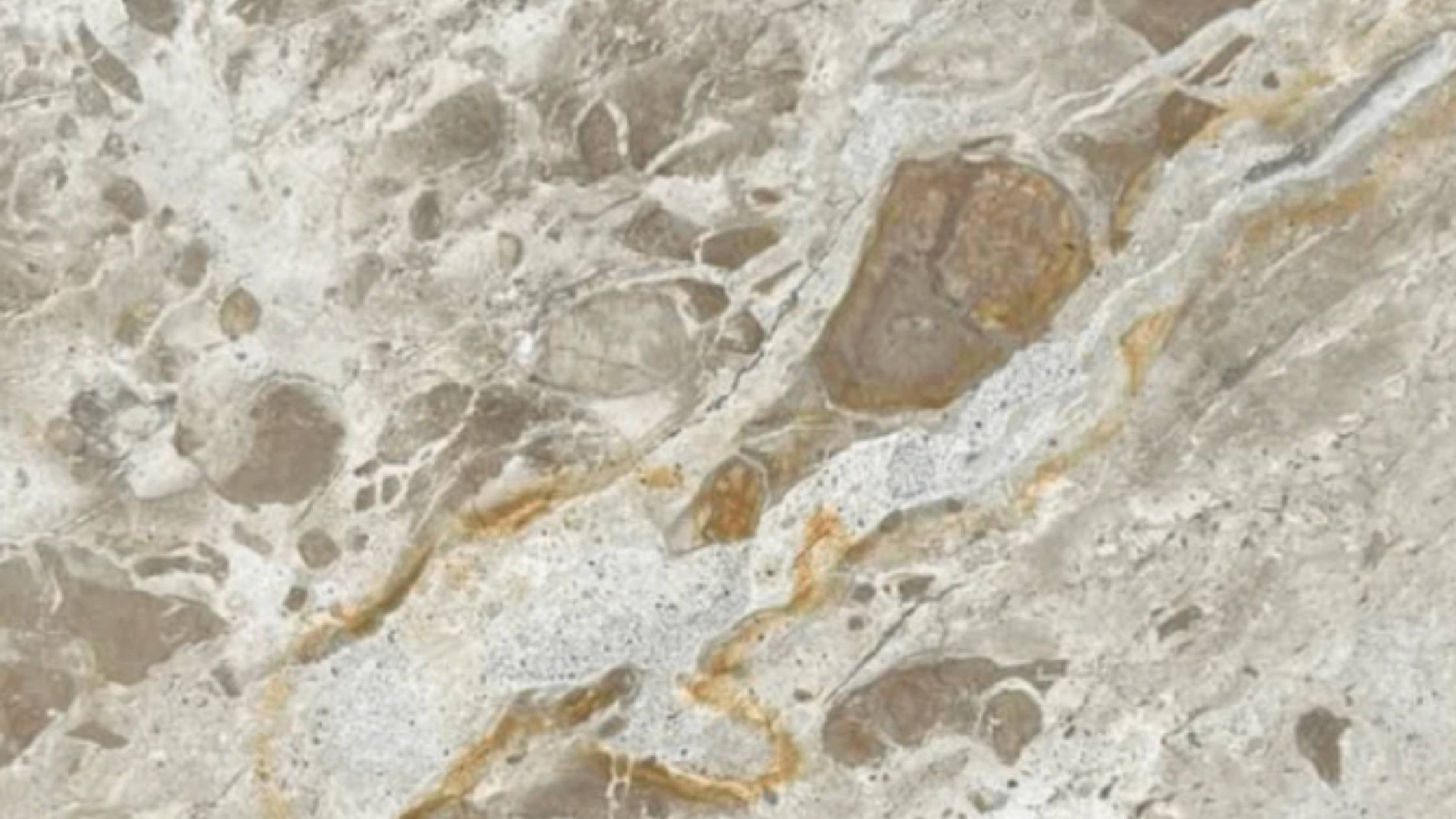
Leopard Marble: A marble with a mix of beige, grey and natural patterns, making each slab unique.
Toronto Brown Marble: A marble with flowing brown and cream patterns that works well for feature walls and flooring.
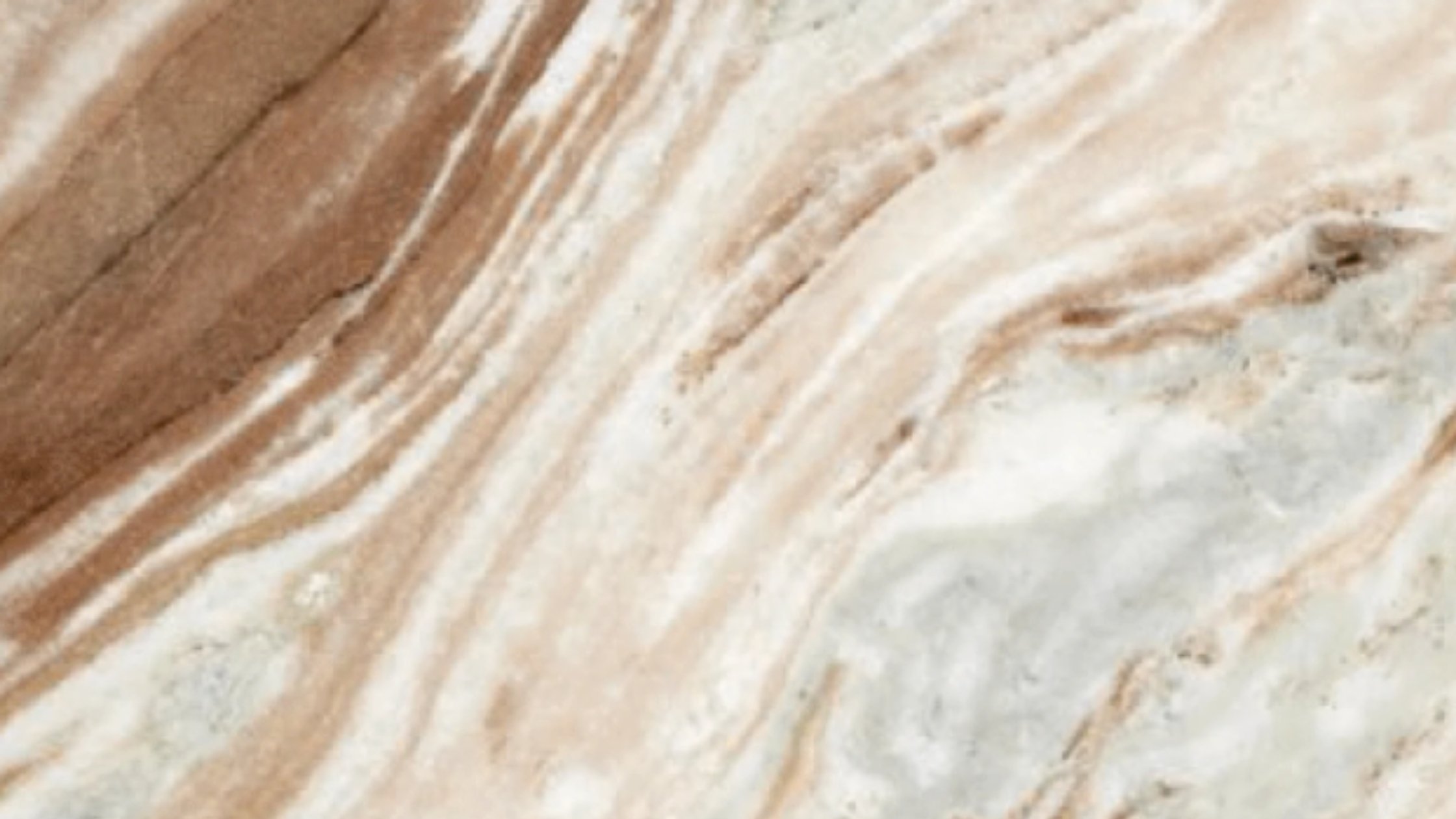
Scorpio Marble: A marble with bold natural textures and earthy shades that creates a unique interior finish.
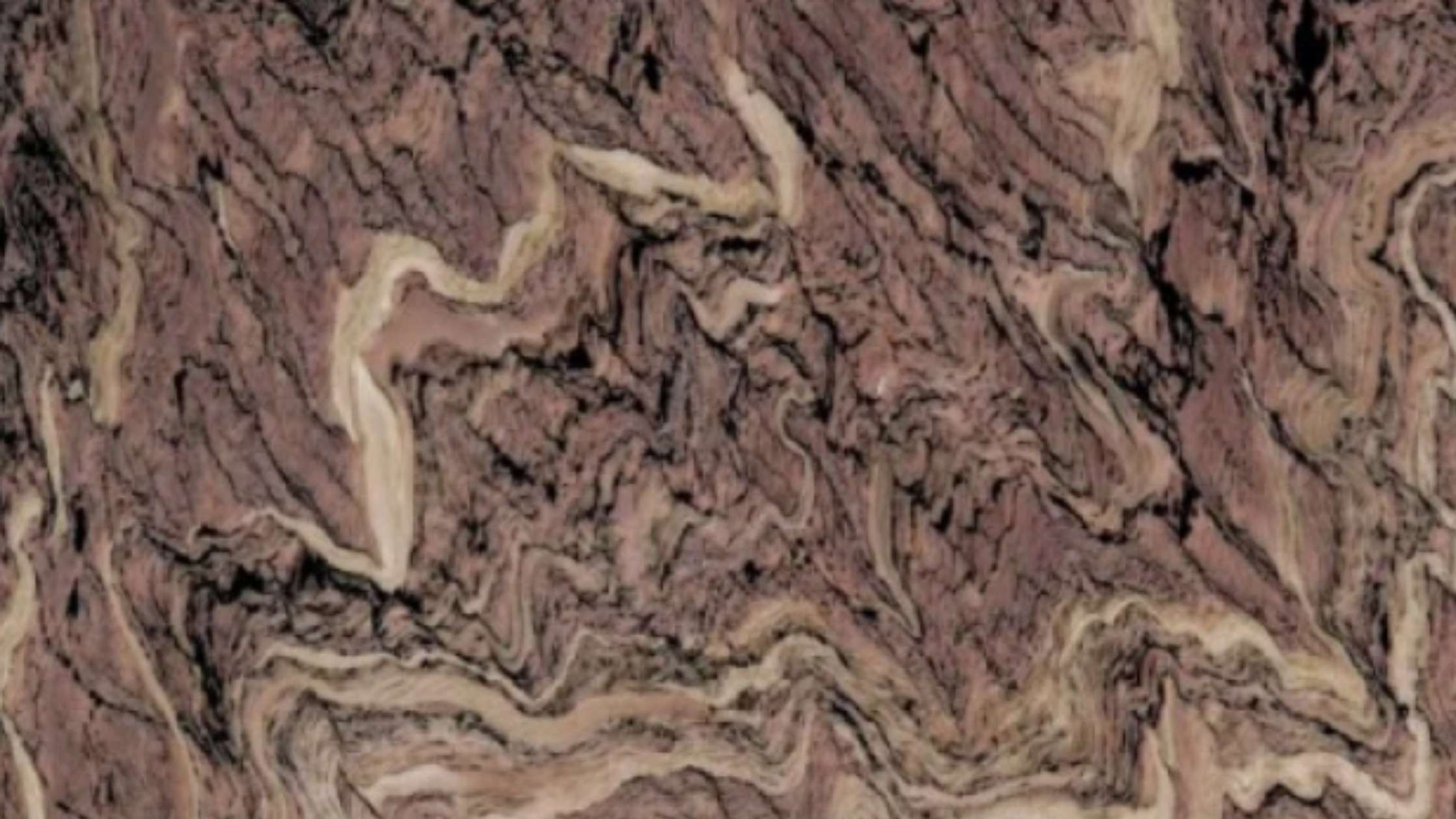
Popular Indian marble names
Some of the most popular Indian marble names include Cherry Gold Marble, Green Marble, Rainforest Green Marble, Rainforest Brown Marble, Marine Black Marble, Leopard Marble, Toronto Brown Marble and Scorpio Marble.
Italian Marble Thickness
The size of the slab is very important for a safe floor. The standard italian marble thickness should be 18mm to 20mm. But many sellers cut the slabs down to 16mm or 15mm so they cost less to ship from Italy.
Buying a thin slab can cause big problems. A thin slab is very weak and might crack while the workers are cutting it. Thin slabs also cannot handle heavy weight once they are on the floor. Always ask the seller to measure the slab in front of you. A full 18mm slab is much safer, lasts longer and gives a better shine when polished by the floor machines.
Italian Marble Flooring vs Indian Marble Flooring
When you compare italian marble flooring with domestic flooring, you must think about how the room will be used every day.
Imported flooring is best for luxury spaces like big houses, fancy hotel lobbies and expensive shops. The shiny surface makes any room look amazing and rich. But you must keep the floor very clean. You cannot pull heavy chairs across it and you must wipe up water spills immediately so the stone does not soak up the dirt.
Domestic flooring is the right choice for busy family homes, apartment buildings and public offices. It handles lots of walking, running kids and heavy furniture with no problems. It stays strong for many years and you do not need to buy expensive cleaning liquids to keep it safe from water.
Which Marble Should You Choose?
Choose Italian Marble If…
- You are building a high budget luxury home.
- You want a very shiny floor that looks like glass.
- You like bright white stones with big grey lines.
- You can hire expert workers for the fitting process.
- You are ready to spend time and money on regular maintenance.
- The room will not have too many people walking in dirty shoes.
Choose Indian Marble If…
- You want a very strong floor that lasts a long time.
- You have a set budget and want to save money.
- You need stone for kitchens, outdoor paths or busy offices.
- You want a floor that is easy to clean every day.
- You like earthy colors like green, black or pink.
- You want a thick slab that will not crack easily.
Expert Tips Before Buying Marble
Always check the slab thickness yourself using a simple measuring tool. Do not buy imported slabs that are thinner than 16mm because they might break soon after fitting. Look at the slab outside in the bright sun to see if there are any hidden cracks or too much chemical glue on the surface.
Remember that natural stone is not made in a factory. The lines and colors will change from one end of the slab to the other. Pick a surface finish that makes sense for the room. Shiny floors are great for living rooms but they are too slippery for bathrooms.
Hire workers who only work with natural stone. The way they mix the cement and fill the joints changes how the whole floor looks. Think about long term costs. A cheaper but harder stone might save you thousands of rupees over the next ten years because it needs less repair work.
Why Choose Rama Nature Works?
Rama Nature Works offers a huge variety of high quality stones for any project. Our team provides a beautiful Premium Indian Marble Collection as well as top quality Imported Italian Marble. Because we have our own marble quarries, we can check the quality of the stone right from the start before it reaches your home.
We use modern machines to cut every slab perfectly. Our team checks every single piece before it leaves our yard to make sure there are no hidden cracks. We can cut the stone into custom sizes to match your specific building plans. Whether you are building a small house locally or a big hotel in another country, we offer great project support and safe delivery.
Conclusion
Learning the main differences between italian marble vs indian marble is the best way to plan your building project. Imported stones give you a very rich and shiny look but they cost a lot of money and need constant care. Domestic stones are very strong, cost much less and are easy to live with every day. Think about your total budget, how busy your house is and what colors you like best. This will help you make a smart choice for your family. If you want to see these beautiful stones in person, contact Rama Nature Works to find the perfect match for your home.
FAQ‘s
Is Italian marble better than Indian marble?
Neither one is totally better. Imported stone has a brighter shine and looks very rich. Domestic stone is much stronger and costs less. Your choice depends on your budget and where you want to put the stone.
Which marble lasts longer?
Domestic stone lasts much longer because it is very hard and dense. It can handle heavy weight and lots of walking. Imported stone can last a long time but only if you take very good care of it.
Which marble is best for flooring?
For a luxury living room, imported stone looks beautiful. For a busy family home, kitchen or office, domestic stone is the better choice because it is hard to scratch.
Is Italian marble worth its price?
Yes, if you really want a special look. The high price comes from shipping it across the world and its famous bright white appearance.
Which marble requires less maintenance?
Domestic stone needs much less maintenance. You can clean it easily with normal water and standard soap. Imported stone needs special cleaners and regular chemical coats.
Can Indian marble look luxurious?
Yes, very much so. Clean white domestic stones like Makrana or Wonder White look amazing when they are polished well.
Which marble is better for hotels?
Many hotels use imported stone near the front door to impress guests. They use domestic stone in the hallways and bathrooms because those areas get too much use and need strong floors.
How thick should marble flooring be?
A good floor slab should be 18mm to 20mm thick. This size makes sure the floor is strong and will not break when people walk on it.
When deciding between Italian marble vs indian marble, which is the better deal?
Domestic stone is a much better deal for most people. It gives you a beautiful natural floor that lasts a long time and costs much less to buy and fit.